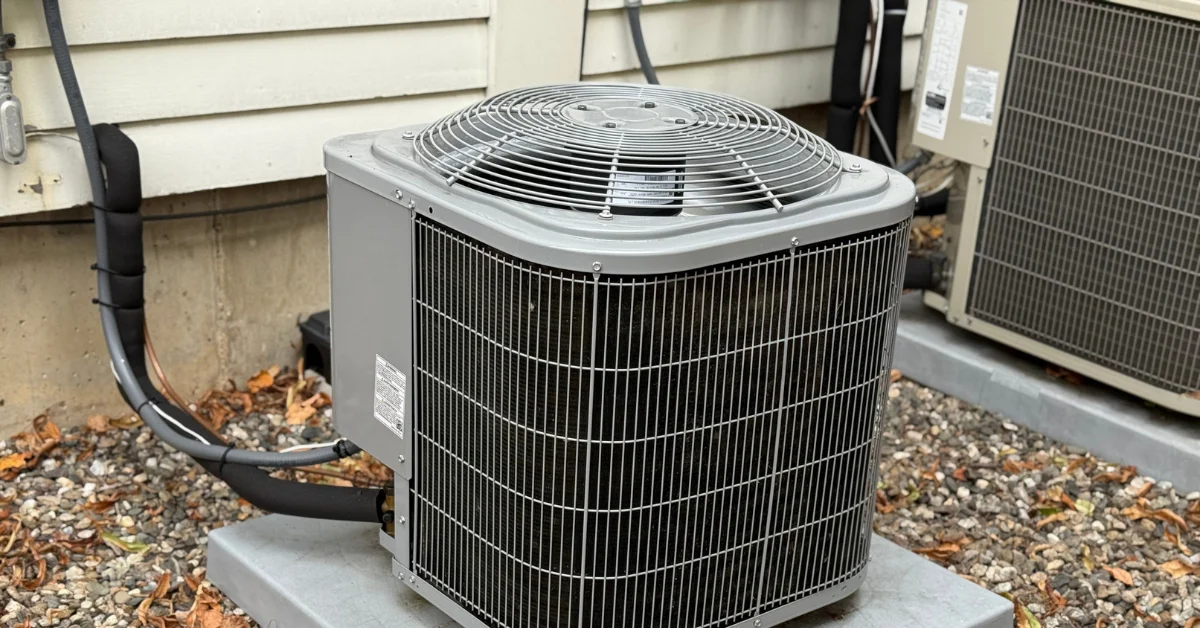
Florida storm season brings more than heavy rain and strong winds. Storm surge and flooding can pose serious risks to outdoor HVAC equipment, especially for homes and businesses near the coast. Outdoor AC units are designed to withstand typical weather conditions, but exposure to floodwater can damage electrical components, reduce system performance, and lead to costly repairs.
Taking steps to protect your HVAC equipment before severe weather arrives can help reduce potential damage and support safer system operation after a storm.
Storm season can put your HVAC system at risk. If you need help inspecting or protecting your equipment, contact Ghost Mechanical LLC
or call for dependable HVAC support in Ormond Beach, FL.
Why Storm Surge Is Dangerous for HVAC Systems
Storm surge happens when strong coastal storms push seawater inland. This flooding can quickly inundate outdoor HVAC units with water, debris, and salt.
Outdoor units contain sensitive electrical and mechanical components that may be affected by:
- Floodwater intrusion
- Corrosion from saltwater
- Debris impact
- Electrical short circuits
- Blocked airflow after storms
Even if an HVAC system appears to work after flooding, hidden damage may still exist inside the equipment.
Common Signs of Storm Damage
After a major storm, it’s important to inspect your HVAC system carefully before restarting it. Running damaged equipment may increase wear or create additional repair issues.
Watch for signs such as:
- Unusual noises during operation
- Reduced cooling performance
- Water around the unit
- Burning smells
- Tripped breakers or power issues
If your system has been exposed to flooding, professional inspection is strongly recommended before turning it back on.
How to Protect Outdoor HVAC Units Before a Storm
Preparing your HVAC system before severe weather can help reduce the risk of storm-related damage.
Elevate Outdoor Units When Possible
Outdoor units installed above expected flood levels may have less exposure to storm surge and standing water. Elevated platforms are commonly used in flood-prone areas throughout Florida.
A professional HVAC contractor can help determine whether elevation improvements are appropriate for your property.
Secure Loose Outdoor Items
Flying debris during storms can damage HVAC equipment. Before severe weather arrives:
- Bring outdoor furniture indoors
- Secure loose yard items
- Trim weak tree branches near the unit
- Remove debris around the system
Keeping the area clear can help reduce the impact of high winds.
Shut Off the HVAC System During Flooding
If flooding is expected, turning off your HVAC system may help reduce the risk of electrical hazards. Never operate an HVAC system that has been underwater until it has been professionally inspected.
Safety should always come first after severe weather events.
Saltwater Exposure Can Create Long-Term Problems
In coastal areas like Ormond Beach, saltwater exposure can continue affecting HVAC systems long after floodwaters recede. Salt can accelerate corrosion on coils, wiring, and metal components.
Over time, this may lead to:
- Reduced cooling efficiency
- Rust and corrosion
- Electrical component failure
- Shortened equipment lifespan
Routine inspections and maintenance can help identify storm-related corrosion before it worsens.
Preventative Maintenance Matters During Storm Season
The Florida storm season puts extra strain on HVAC systems. Preventative maintenance helps property owners identify potential vulnerabilities before severe weather arrives.
Professional maintenance may include:
- Inspecting electrical connections
- Cleaning coils and components
- Checking refrigerant levels
- Examining drainage systems
- Evaluating outdoor unit stability
Scheduling seasonal service before peak storm activity can help support more reliable system performance.
Commercial HVAC Systems Need Storm Preparation Too
Commercial and industrial HVAC systems may face even greater risks during storm surge events due to larger equipment sizes and rooftop installations.
Business owners should consider:
- Emergency shutdown procedures
- Equipment inspections after storms
- Backup cooling plans
- Preventative maintenance schedules
Professional commercial HVAC services in Ormond Beach, FL can help businesses prepare their HVAC systems for Florida’s unpredictable weather.
Schedule an HVAC Inspection After Severe Weather
Even if your HVAC system appears operational after a storm, hidden water or electrical damage may still be present. A professional inspection can help identify safety concerns and prevent further strain on the system.
At Ghost Mechanical LLC, we provide reliable HVAC support for residential, commercial, and industrial properties throughout Ormond Beach, FL. Our team helps customers prepare for storm season while supporting safe, efficient cooling year-round.
To schedule an inspection or learn more about protecting your HVAC system, contact Ghost Mechanical LLC or call today.